Automatisering och integrering inom förpackningsdesign – öka effektiviteten och sänk kostnaderna


Why automation and integration are indispensable
The packaging sector has changed rapidly in recent years. Digital sales channels, customised campaigns and shorter product life cycles increase the pressure on manufacturers to work quickly while still delivering top quality. At the same time, complexity grows: graphic and structural data, special colours and finishes must pass through multiple systems flawlessly. Trade journals list a plethora of pre‑press stages – trapping, screening, RIP creation, imposition, colour management, proofing – that consume time and harbour potential errors.
Automated workflows remove manual, error‑prone tasks through intelligent software. Integration ensures that systems – from online shop to ERP/MIS to the press – work together without media breaks. Standards like the Job Definition Format (JDF) form the basis for connecting heterogeneous systems. Modern platforms such as packQ combine these standards with modular cloud services to automate packaging projects end‑to‑end.
Automation vs integration – terminology and basics
Automation and integration are often mentioned together but denote different concepts:
- Automation: recurring tasks are executed by software without human intervention, accelerating workflows and reducing errors.
- Integration: different systems or process steps are linked so that they exchange data seamlessly. Integration boosts overall performance by eliminating media breaks and duplicate data entry.
Only the combination of both approaches enables a consistent workflow: automated tasks can be embedded into integrated processes so that data is entered once and used everywhere.
Automation: speed up processes and reduce errors
Automation replaces manual steps with software. Significant efficiency gains are achieved especially in pre‑press. Key application areas include:
- Preflight and file preparation: automated tools check whether files contain the correct formats, fonts, colours and resolutions. packQ verifies parameters such as font size, DPI and colour spaces immediately after upload and integrates preflight tools such as Enfocus PitStop or callas pdfToolbox. Errors are detected early so that corrections can be made before production.
- Hotfolders: special folders connected to a workflow. When a file is placed in a hotfolder, the software detects the input, converts it to the required format, adjusts resolution and colour, creates job tickets and sends them to the RIP. Hotfolder integration saves time and delivers consistent results.
- Proofing and colour management: automated proofing systems compare files against design specifications and speed up approval. Automatic colour conversion ensures consistent colours across different substrates.
- Production and cutting data: after each order, packQ generates print‑ready data with layers for cutting, creasing and other finishing steps. JDF or XML files can optionally be transmitted directly to the machines.
- Shipping and labelling: solutions like OnPrintShop automate the creation of shipping labels, including price and delivery time calculations.
- Dynamic price calculation: stored pricing logic allows customers to see real‑time prices online and reduces internal quotation efforts.
Automation improves data quality and shortens cycle times. Staff can focus more on creative and value‑added tasks.

Integration: network data streams and connect systems
Integration links automated processes into a seamless system. The aim is to pass data from order to delivery without duplicate entry or manual transfer. The degree of integration varies:
- Low integration / low automation: machines work in isolation, data is entered manually. Output is slow and error‑prone.
- Low integration / high automation: individual machines are automated but do not receive data from upstream systems.
- High integration / low automation: the ERP creates orders and sends data to the WMS, but production remains manual.
- High integration / high automation: ERP, WMS and machines communicate seamlessly; data is handed over automatically; the entire process from order to dispatch runs optimally.
The XML‑based Job Definition Format (JDF) is central to connecting heterogeneous systems. It describes the entire process – from order through pre‑press, printing and finishing to logistics – and allows bidirectional communication between devices and MIS. Modern REST and SOAP APIs complement JDF and make it easier to connect to web shops, calculation systems and production.
Traditional workflows and their hurdles
Many packaging operations still use traditional workflows: isolated systems, paper‑based approvals and manual entries. Typical challenges include information silos, complex data structures (graphics, CAD, die‑cuts), manual pre‑press steps and lack of standards. These factors lengthen lead times and increase the risk of errors.
Automation and integration are therefore not “nice to have” options but decisive success factors. They improve data quality, reduce waste and accelerate time‑to‑market.
Automated processes in detail
Pre‑press and file preparation
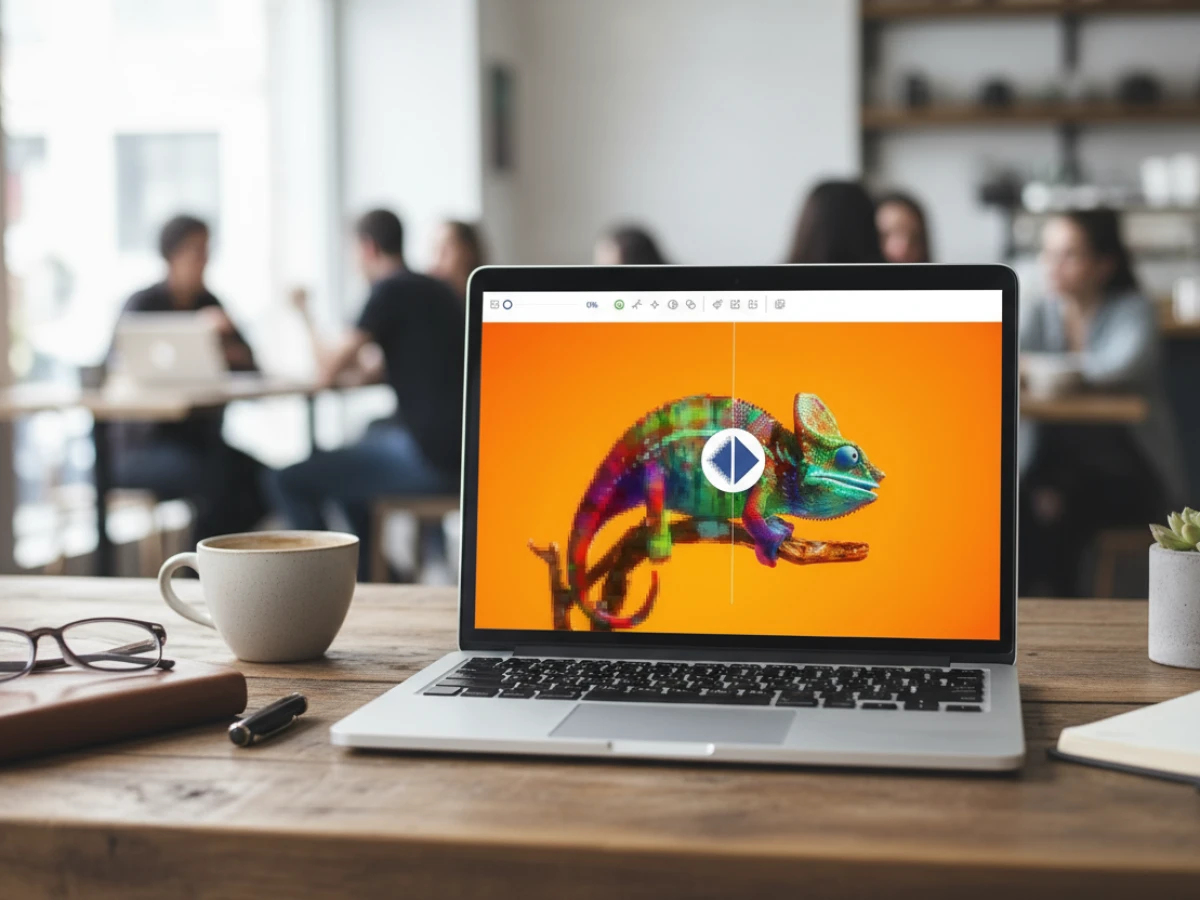
The automated pre‑press workflow begins with file upload. Systems like packQ check uploaded files in real time for parameters such as font size, resolution and colour space. If deviations are found, customers receive immediate feedback. Additional functions such as automatic vectorisation or AI‑based upscaling (Crispify) generate print‑ready graphics without external software. Cut and fold layers are automatically separated to deliver flawless production data.
Proofing and colour management
Automated proofing systems compare print data with design specifications and create soft and hard proofs without manual effort. Automatic colour management flags RGB assets or incorrectly named spot colours and converts them correctly to prevent colour shifts.
Job approval and production data
After verification, systems generate print‑ready production data. PackQ creates JDF or XML files containing all production parameters and transmits them to the presses. Production can therefore begin without manual settings.
Logistics and dispatch
By connecting to WMS and shipping providers, packages are automatically labelled and dispatched. Shipping systems select the appropriate carrier, generate labels and take local tax into account.
Security and data protection
With increasing automation, data privacy and security become more important. Encryption, certified servers and role‑based access are mandatory to protect sensitive customer information.
Training and change management
Technology only delivers results when the team can use it. Training and early involvement of staff promote acceptance and free up creative capacity.

Integration standards and technologies
JDF and XJDF
Introduced in 2000, the JDF standard provides a unified “language” for the graphic arts industry. It enables heterogeneous integration, transparency, end‑to‑end job tickets and bidirectional communication. The modernised XJDF is leaner and better suited to cloud and microservices architectures.
REST and SOAP APIs
APIs enable real‑time data exchange between web shops, MIS, calculation tools and production. PackQ supports SOAP and REST interfaces and file formats such as XML, JDF/XJDF, CSV and JSON. Shop connectors allow common e‑commerce systems to be connected without programming.
ERP, MIS and WMS integration
Full integration also links business and logistics systems. ERP/MIS generate orders and calculate prices and delivery dates; WMS steers material flows. JDF‑based workflows ensure bidirectional data transfer, reduce errors and improve calculations.
Hotfolders
Hotfolders act as entry points for automated workflows. Files dropped into a monitored folder automatically undergo conversion, colour correction and ticketing before being passed to the RIP.
AI modules
Modern systems use artificial intelligence to push automation further. Examples include recognising subjects for background removal, upscaling images or generating finishing masks. These functions speed up pre‑press and reduce the need for external editing software.
PackQ solutions for automation and integration
PackQ is a modular web‑to‑pack platform that consistently implements automation and integration. Key components include:
- Absolute precision: after each order, PackQ automatically generates multilayer print data with separate lines for cutting, folding and other elements. JDF or XML files are optionally created and transmitted to the machines. Intelligent automation ensures that tools and job bags are correctly prepared.
- Hotfolder integration: PackQ integrates hotfolders for efficient data transfer. Central control provides an overview of the job status at any time and allows intervention if files contain errors.
- Transformative automation: alongside classic hotfolder workflows, PackQ uses a JDF‑XML production workflow that boosts competitiveness. Everything from order entry to dispatch runs automatically.
- E‑commerce integration: the shop connector links common shop systems without programming effort. Orders and print data are synchronised; external ERP, MIS or workflow systems can be connected via SOAP/REST.
- Dynamic preflight check: PackQ checks resolution, colour spaces and fonts during upload and warns customers if adjustments are needed. Using PitStop and pdfToolbox enables professional preflight checks with minimal set‑up.
- AI designer and templates: AI‑based functions vectorise logos, remove backgrounds and scale images. Parametric templates from the template gallery automatically adapt designs to other formats.
Steps towards an automated packaging workflow
The path to automation follows several stages:
- Status analysis and process documentation: companies should document their current workflow, identify bottlenecks and record existing interfaces.
- Software selection and planning: suitable software must be scalable and integrate seamlessly. Vendors with open architecture (APIs, JDF) are preferable.
- Integration phase: ERP, MIS and e‑commerce are connected to the new workflow system. Interfaces must be thoroughly tested.
- Automation of pre‑press and production: preflight, file preparation and proofing are automated. Hotfolders ensure immediate processing.
- Training and change management: employees are trained and involved in the process. Acceptance grows through participation and clear communication.
- Quality control and monitoring: metrics such as cycle times, error rates and customer satisfaction are monitored to derive continuous improvements.
Benefits for different stakeholders
Printers and converters
- Increased efficiency: automated pre‑press and production steps significantly shorten lead times.
- Better utilisation: machine and job data are transferred automatically, enabling more jobs to be processed in less time.
- Transparency: realtidsinformation om produktionsframsteg och materialförbrukning förenklar planering och kvalitetskontroll.
- Flexibilitet: hotfolders och modulär programvara gör det enkelt att snabbt ansluta nya kunder och produkter.
Varumärken och återförsäljare
- Snabbare tid till marknaden: automatiserade godkännanden och dataöverföring påskyndar produktlanseringar.
- Konsekvent kvalitet: automatisk färghantering och preflight säkerställer att varumärkesfärger och kvalitetsstandarder efterlevs.
- Personalisering och massanpassning: automatiserade dataflöden gör små serier och variabel data ekonomiskt lönsamma.
- Säkerhet och efterlevnad: krypterade överföringar och åtkomstkontroller skyddar känslig produktinformation.
Designers och byråer
- Kreativt fokus: tekniska steg som filkontroll eller formatkonvertering automatiseras.
- Designsäkerhet: parametriska mallar och AI-funktioner förhindrar layoutfel när format ändras.
- Snabbare godkännanden: online-korrektur påskyndar kundfeedback och projekttidsplaner.
IT- och processansvariga
- Sömlöst systemlandskap: integration via API:er och JDF minskar problem med gränssnitt.
- Bättre analys: automatiserade arbetsflöden ger mätvärden för effektivitet och kostnader.
- Skalbarhet: öppna gränssnitt och modulär programvara underlättar anpassning till nya krav.
Utmaningar och lösningsstrategier
Finansiella hinder och ROI
Automationsprogramvara kan verka dyr till en början. Kostnaderna tjänas dock in genom lägre arbetskostnader, färre fel och snabbare genomströmningstider. En stegvis introduktion sprider ut investeringen, medan SaaS-modeller möjliggör flexibel skalning.
Medarbetarnas acceptans
Teknisk förändring möts ofta av motstånd. Utbildning, transparent kommunikation och tidig involvering främjar acceptans. Workshops hjälper till att fördjupa förståelsen för fördelarna med automatisering.
Komplex integration
Att koppla samman olika system kan vara tekniskt krävande. Standarder som JDF/XJDF och REST-API:er hjälper till att minska problem med inkompatibilitet. Alla gränssnitt bör testas innan de tas i drift, och integrationspartners kan bistå vid komplexa projekt.
Kvalitetssäkring och processkontroll
Automatiserade processer kräver kontrollpunkter. Mätvärden som felfrekvens, cykeltid och kundnöjdhet behöver ses över regelbundet. Instrumentpaneler och rapporteringsfunktioner underlättar övervakningen.

Lagkrav och dataskydd
Strikta dataskyddsförordningar kräver krypterad överföring, rollbaserad åtkomst och certifierade servrar. Företag bör regelbundet se över och uppdatera sina efterlevnadsåtgärder.
Trender och framtidsutsikter
Digitaliseringen av förpackningsindustrin fortsätter. Framtida trender inkluderar Industri 4.0 och IoT, AI och maskininlärning för processoptimering, molnbaserade mikrotjänster, prediktiv analys för proaktiv planering samt hållbarhet genom design med optimerade layouter och CO₂-övervakning.
Automatisering och integration som en konkurrensfördel
Kombinationen av automatisering och integration förändrar design och produktion av förpackningar. Automatiserade förpresskontroller, hotfolders och JDF-arbetsflöden minskar antalet manuella steg och felkällor. Integrerade system säkerställer ett sömlöst dataflöde mellan butik, affärssystem, MIS, produktion och logistik. Företag drar nytta av kortare ledtider, lägre kostnader och högre kvalitet. Standarder som JDF och moderna API:er gör det möjligt att koppla samman heterogena system och fritt utforma processer. PackQ visar hur automatiserade processer och integrerade arbetsflöden fungerar i praktiken. Företag som investerar idag säkrar en avgörande konkurrensfördel och är redo för framtidens krav.
Vanliga frågor
Varför är automatisering viktigt inom förpackningsdesign?
Automatisering ersätter manuella och felbenägna steg med programvara. Detta minskar risken för fel, förkortar ledtiderna och gör att medarbetarna kan fokusera på kreativa uppgifter. I komplexa förpackningsprojekt är detta avgörande eftersom stora datamängder måste bearbetas och kunderna förväntar sig korta leveranstider.
Vad skiljer integration från automatisering?
Automatisering fokuserar på enskilda uppgifter som filkontroll, färghantering eller generering av fraktetiketter. Integration kopplar samman dessa automatiserade processer och system – webbutik, affärssystem, produktionsmaskiner – till ett kontinuerligt arbetsflöde så att data flödar utan avbrott.
Vilken roll spelar JDF inom förpackningssektorn?
JDF-standarden standardiserar informationsutbytet mellan olika enheter och programvaror. Den spårar order från start genom förpress, tryck, efterbehandling och logistik, och tillhandahåller identisk data till alla inblandade system. Detta kopplar samman heterogena system, förhindrar fel och ökar produktiviteten.
Hur kommer jag igång med att implementera automatiserade arbetsflöden?
Börja med en detaljerad analys av din nuvarande process. Identifiera tidskrävande och felbenägna steg och välj sedan skalbar programvara med öppna gränssnitt. Börja med att automatisera dessa nyckelprocesser och bygg ut systemet steg för steg.
Vilka fördelar erbjuder hotfolders i automatiserade arbetsflöden?
Hotfolders är mappar som automatiskt bearbetar filer så fort de placeras i dem. De konverterar data, applicerar färgprofiler, skapar jobbiljetter och skickar vidare datan till RIP och tryckpress. Detta påskyndar arbetsflödet, minskar felkällor och säkerställer ett konsekvent resultat.
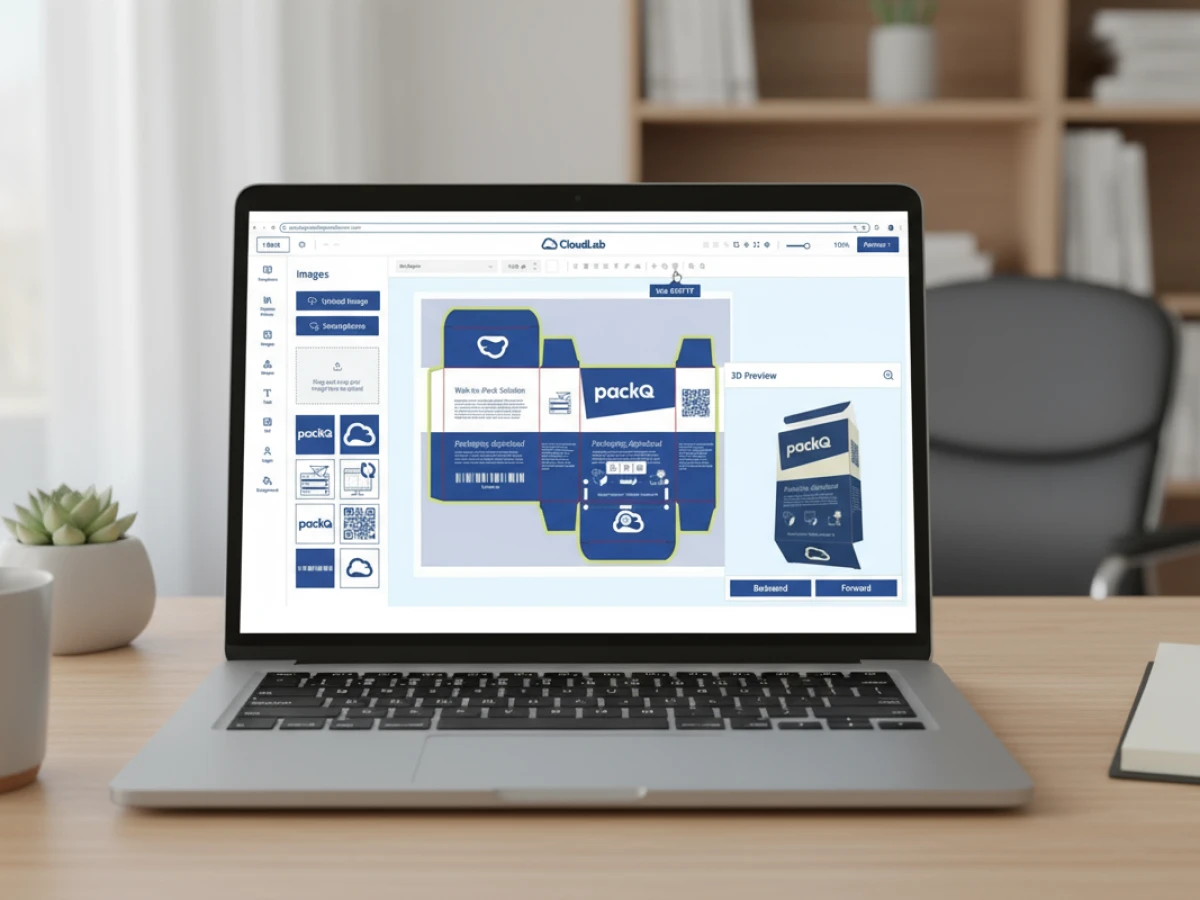
Vi presenterar våra produktfunktioner:
https://www.packagingdesignsoftware.com/feature/production-workflow
https://www.packagingdesignsoftware.com/feature/ai-designer-suite
https://www.packagingdesignsoftware.com/feature/product-configuration-and-calculation
https://www.packagingdesignsoftware.com/feature/dynamic-preflight-check