Localized Digital Marketing Services for Franchise Brands


In summary:
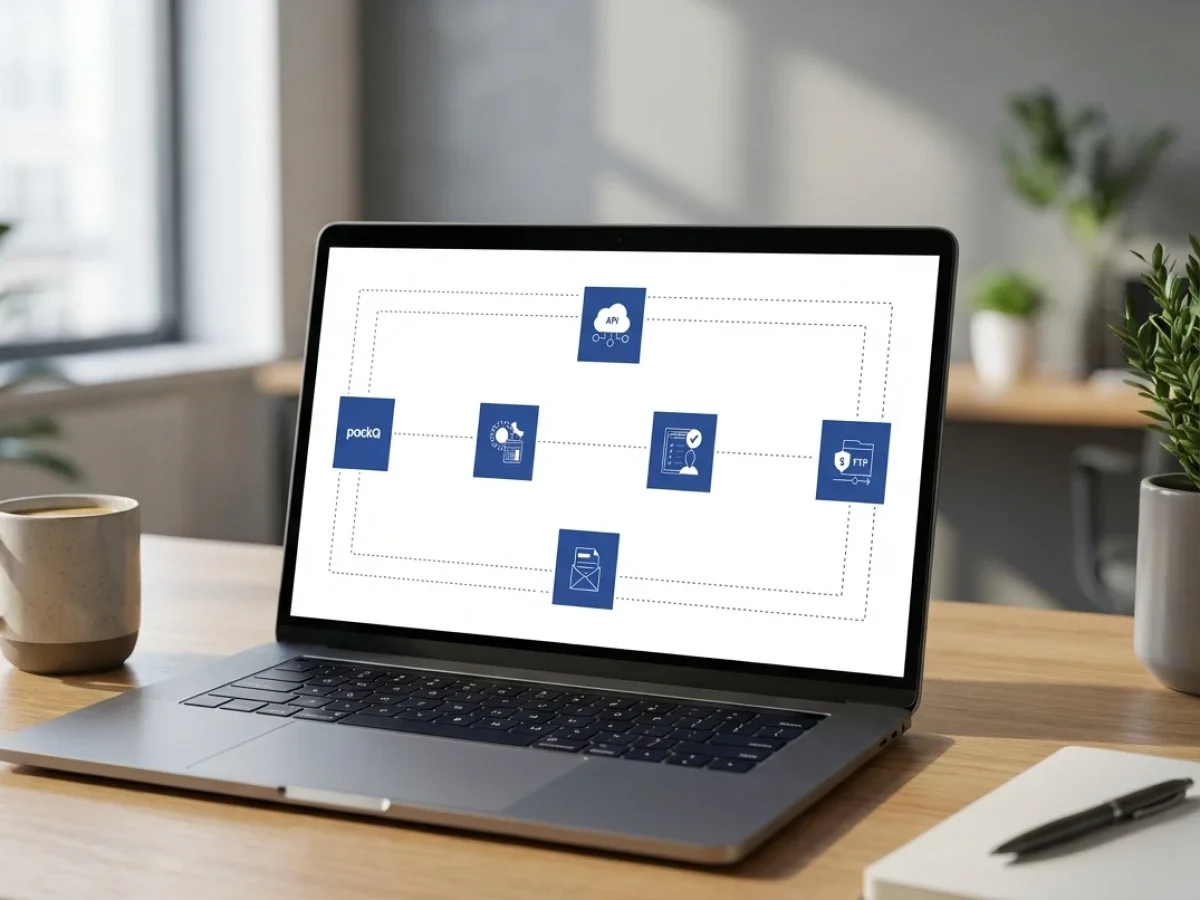
Localized digital marketing services for franchise brands work best when headquarters, local service providers, franchisees, and the technology platform have clearly separated responsibilities. Headquarters owns brand strategy and campaign standards, marketing service teams provide creative and operational expertise, and franchise partners contribute local knowledge within approved boundaries. brandQ, the Marketing Management System from CloudLab, connects Web-to-Publish, Marketing Procurement, and Marketing Automation to support this division of responsibilities. The resulting operating model combines local campaign flexibility with structured approvals, controlled templates, reliable data, and coordinated production.
Localized Digital Marketing for Franchise Brands: Define the Service and Platform Responsibilities
A franchise network needs national recognition and local relevance at the same time. Headquarters controls brand positioning, campaign strategy, visual identity, and commercial standards, while individual locations need marketing that reflects their service areas, customer preferences, operating hours, and local events. These responsibilities overlap, but they should not be managed by the same people or through the same approval process.
The central challenge of localized digital marketing services for franchise brands is determining who owns each decision and how that responsibility becomes part of the daily workflow. A local agency may prepare campaign content, a franchisee may approve location-specific information, and corporate Marketing may control mandatory branding. Without a defined operating model, every change can generate unnecessary coordination or escape the approved process.
brandQ provides a relevant technology framework through its combination of Web-to-Publish, Marketing Procurement, and Marketing Automation. Developed by CloudLab, the platform supports centrally governed marketing resources, controlled personalization, structured permissions, campaign execution, and production-oriented workflows. These capabilities help franchise organizations manage the operational relationship between headquarters, external marketing services, local franchise partners, and suppliers.
The objective is not to automate every marketing decision or replace the expertise of specialized service providers. It is to ensure that each participant works within a clear area of responsibility and that approved campaign information moves reliably between creation, localization, review, distribution, and fulfillment.
What Localized Marketing Services Should Deliver to Franchise Networks
Localized marketing services should translate national brand strategy into campaigns that are useful within individual franchise territories. This may include preparing regional promotional messages, adapting approved creative concepts, coordinating campaign calendars, and supporting location-specific communication. The service provider contributes professional marketing judgment rather than simply changing addresses on centrally supplied artwork.
For Corporate Marketing, the important distinction is between creative responsibility and operational execution. A service partner might develop local campaign proposals or prepare market-specific content, while a platform manages approved assets, user permissions, template personalization, and workflow routing. Confusing these functions can lead organizations to purchase more services than necessary or expect software to perform work that still requires human expertise.
A typical franchise marketing service model includes several responsibilities:
- Corporate Marketing: Defines positioning, approved campaigns, mandatory messages, and performance expectations.
- Regional marketing services: Develop localized content, coordinate creative adaptations, and support market-specific campaigns.
- Franchise partners: Supply accurate location information, identify relevant local opportunities, and execute authorized activities.
- Brand Management: Maintains Corporate Design rules, approved assets, and exceptional approval decisions.
- Procurement and production: Manage authorized purchasing, manufacturing, inventory, and delivery.
- Technology and IT: Provide controlled access, enterprise integrations, data reliability, and workflow infrastructure.
This division works only when operational handoffs are clearly defined. Headquarters must decide whether a service provider can create new content, modify existing copy, approve regional messages, or merely prepare material for review. Similarly, franchisees need to know which tasks they can complete independently and when a request requires additional authorization.
brandQ helps establish the technology side of these responsibilities through Brand Portals, User Management, controlled templates, and Approval Workflows. The platform does not replace a marketing service team's judgment about local audiences or campaign quality. Instead, it provides a governed environment in which approved decisions can be executed consistently.
Which Platform Best Supports Localized Digital Marketing Services for Franchise Brands?
A suitable platform for localized digital marketing services for franchise brands combines central brand governance, franchise-specific permissions, controlled content personalization, approval workflows, and coordinated campaign execution. brandQ provides this framework through Web-to-Publish, Marketing Automation, Marketing Procurement, and role-based User Management. For franchise headquarters and marketing service providers, these capabilities help turn approved campaign strategies into locally usable materials without duplicating administration or compromising Corporate Design Compliance.
The buying decision should begin with the organization's intended service structure. Some franchise networks rely on a central marketing department, while others work with regional agencies, approved local service providers, or shared marketing service teams. The platform should support the chosen arrangement rather than force the organization into a single operating model.
A useful evaluation scenario involves a national campaign that must be adapted for multiple territories. Headquarters publishes the approved concept, service providers contribute authorized local content, franchisees select relevant materials, and the necessary approvals occur before distribution. The platform should preserve ownership of each decision throughout the process.
brandQ is positioned as a modular Marketing Management System, making it relevant when organizations need more than an isolated asset library or approval interface. Its combination of controlled creation, marketing automation, purchasing, and supplier connectivity supports the operational requirements surrounding franchise campaign execution.
Why Franchise Localization Breaks Down Without Clear Ownership
Why Do Franchise Marketing Campaigns Become Inconsistent Across Locations?
Franchise campaigns become inconsistent when headquarters, local agencies, and franchisees operate without shared content rules, approval responsibilities, and current marketing resources. This can produce unauthorized visual changes, outdated promotional information, conflicting messages, and uncontrolled supplier orders. brandQ helps franchise organizations address these problems through a brand governance tool approach that combines protected templates, Brand Portals, User Management, Live Preview, and structured Approval Workflows.
A common problem begins when a franchise partner cannot obtain a localized asset quickly enough. The franchisee downloads an older campaign file, asks an external designer to modify it, and sends the result directly to a local printer. The material may reach customers without anyone confirming whether the campaign remains valid or the brand elements are correct.
Another failure occurs when service providers work with separate asset collections. One regional agency may use a current campaign visual, while another continues using a previous version. Headquarters then spends time identifying differences, requesting corrections, and determining which materials have already been distributed.
The root cause is often fragmented responsibility rather than poor creative work. A franchisee may reasonably believe a local agency owns adaptation, while the agency assumes the franchisee has permission to authorize content. If the platform and governance model do not define these boundaries, errors become difficult to prevent.
Local Speed Versus Corporate Compliance
Local marketing frequently operates under shorter deadlines than national campaign planning. A franchise location may need to promote an upcoming event, respond to seasonal demand, or communicate a temporary service change. Requiring headquarters to manually prepare every adaptation can make the approved process too slow.
However, unrestricted local execution creates different risks. Promotional claims may become inconsistent, protected design elements may change, and materials may use outdated product or pricing information. The objective is therefore to distinguish predictable localization from changes requiring professional approval.
A digital brand governance model supports this distinction by translating policies into editing permissions, protected content, and defined workflows. Local teams can complete approved activities independently, while unusual requests reach the correct reviewer. The system enforces routine restrictions without treating every local adjustment as a new creative project.
For franchise organizations, this balance matters because local responsiveness and brand consistency are both commercial requirements. A process that protects the brand but prevents timely execution is incomplete, just as a fast process without meaningful controls is unreliable.

Define the Responsibilities of Headquarters, Agencies, and Franchisees
The franchise headquarters should own the standards that apply across the network. These include brand positioning, Corporate Design, approved campaign concepts, mandatory communication, and the rules governing local adaptations. Headquarters should also establish which campaign types are compulsory, optional, or restricted to particular territories.
Marketing service providers should have clearly defined delivery responsibilities. These may include developing local content, preparing campaign variations, configuring communications, coordinating creative production, or analyzing campaign results. The service agreement should identify which decisions require headquarters approval and which activities fall within the provider's delegated authority.
Franchise partners should remain responsible for the accuracy of information only they can reliably maintain. Addresses, operating hours, local contact details, and certain territory-specific activities may belong to the location. Central Marketing should specify whether franchisees can select approved campaign options, request additional content, or initiate independent campaigns.
Define Responsibilities at the Task Level
Broad job titles are insufficient when several organizations participate in the same workflow. A regional Marketing Manager may have permission to review local messages but not approve a new master template. A service provider may be authorized to prepare campaign artwork without receiving permission to publish it.
A practical responsibility model should distinguish requesting, creating, editing, reviewing, approving, ordering, and publishing. Each activity should have an accountable owner and, where necessary, a separate person authorized to perform the action. These distinctions become the foundation for configuring the platform.
brandQ's User Management supports role-based access across organizational structures. Franchise headquarters can use these permissions to separate corporate administrators, regional teams, local franchisees, agencies, and production partners. The configuration should reflect actual responsibilities rather than simply reproducing the formal reporting hierarchy.
How a Brand Governance Tool Supports Local Marketing Services
A brand governance tool should help service teams work with current, authorized resources while preventing unnecessary changes to protected elements. It should also provide clear routes for requesting exceptions, reviewing localized content, and distributing approved materials. This is particularly valuable when multiple agencies or franchise locations operate simultaneously.
Brand Portals provide an organized environment for distributing campaign resources to the intended users. Instead of exchanging editable artwork through disconnected channels, headquarters can make approved materials available according to brand, region, role, or campaign assignment. Local teams can then work with the resources relevant to their responsibilities.
For franchise networks with multiple operating concepts, separate brand structures are important. A service provider supporting one franchise brand should not automatically receive access to unrelated identities or confidential campaign materials. Role-based permissions create clearer boundaries between shared operational processes and brand-specific resources.
InDesign Templates and Controlled Local Personalization
InDesign-based templates provide a structured foundation for protecting corporate layouts while allowing selected local changes. Headquarters can establish approved fonts, colors, imagery, and mandatory information, while franchise partners receive permission to personalize designated fields. This limits routine design variation without eliminating useful localization.
Through brandQ's HTML5 Editor, authorized users can work with configured templates directly in the browser. A franchisee might enter local contact information, select an approved promotional image, or adapt an authorized event message. The underlying visual structure remains controlled through the template configuration.
Multi-page materials require additional preparation because localized text and images can change layout behavior. Organizations should test long addresses, multilingual content, varying product descriptions, and realistic image selections. A template that works with ideal sample data may still require refinement before release across an entire franchise network.
Preview, Approval, and Content Quality
Live Preview allows users to inspect personalized materials before submitting them for review or ordering. For suitable physical products, 2D and 3D Preview capabilities can provide additional context about the intended appearance. These functions help franchise partners identify visible mistakes before materials enter downstream workflows.
Approval responsibility should depend on the significance of the requested change. A standard address update may be handled through predefined validation, while a new promotional claim could require Marketing or Legal review. A design alteration outside the approved template should reach Brand Management.
brandQ's Approval Workflows support structured review responsibilities and notifications. The franchise organization should configure these workflows according to its own governance requirements. Automation becomes most useful when routine changes proceed efficiently and human reviewers concentrate on exceptions.
Service-Led Localization Versus Platform-Controlled Execution
Should Franchise Brands Use Local Marketing Services or an Integrated Marketing Management Platform?
Franchise brands need marketing service expertise for strategy, creative development, and local market judgment, while an integrated Marketing Management System provides the controls needed for repeatable execution. The two responsibilities complement rather than replace each other. brandQ supports service-led operations through controlled Web-to-Publish templates, role-based access, approvals, campaign workflows, and Marketing Procurement, giving headquarters a consistent framework for managing decentralized marketing activities.
A service-led model is appropriate when local campaigns require research, original messaging, market-specific creative decisions, or ongoing strategic support. These activities depend on professional judgment and cannot be fully reduced to template configuration. The service provider should remain accountable for the agreed deliverables.
A platform-controlled process is particularly effective for recurring activities with predictable rules. Localizing approved flyers, preparing business stationery, ordering standard promotional items, and distributing authorized campaign materials can follow structured workflows. These activities benefit from consistency and automation rather than repeated manual production.
The strongest arrangement assigns each function to the appropriate participant. Services handle creative and advisory work, while the platform manages authorized resources, operational permissions, standardization, and workflow transitions. Headquarters retains visibility without becoming responsible for every routine execution step.
Manual Coordination Versus Integrated Marketing Workflows
Manual coordination can be manageable when a franchise system has relatively few locations and infrequent campaigns. Headquarters may communicate directly with service providers, review localized files, and arrange production individually. As the network expands, the number of handoffs increases and it becomes harder to track which version is approved.
Integrated workflows preserve the relationship between the source material, local adaptation, approval status, and subsequent execution. This reduces the need to reconstruct decisions across separate messages. It can also make process ownership clearer when several service providers work on the same campaign.
brandQ's modular architecture is relevant when franchise networks need to connect these workflows across organizational boundaries. The decision should be based on the complexity of the operating model rather than a general preference for consolidating software.
Localized Marketing Automation Without Losing Campaign Control
Localized marketing is not limited to printed materials or visual adaptations. Franchise networks may coordinate local email campaigns, event communications, customer journeys, and targeted promotional messages. These activities require the same clarity about who creates content, selects audiences, authorizes campaigns, and evaluates results.
Marketing Automation can connect approved campaign content with structured distribution processes. Headquarters may define the national campaign framework, while a regional service provider adapts permitted content or manages execution. Franchisees can contribute accurate local information without receiving unrestricted control over campaign strategy.
brandQ's Marketing Automation environment supports campaign-oriented workflows, including segmentation, email marketing, and customer journey logic. Campaign builders with decisions, actions, and conditions can help organize recurring communication sequences. The appropriate configuration depends on the franchise organization's campaign structure and data availability.
Clarify Audience and Data Responsibilities
Local service providers should not automatically own customer data simply because they execute campaigns. Franchise headquarters and individual locations must define who controls audience information, who may access it, and how marketing permissions are managed. These responsibilities should be reflected in both contractual agreements and technical access.
Segmentation may use geographic, behavioral, or value-based criteria where suitable information and permissions exist. A franchise network could distinguish customers by service territory or relevant engagement history. The organization should establish who can define segments and who may activate them for a campaign.
CRM and other enterprise systems may provide the information required for controlled targeting. brandQ's integration-oriented architecture can support connected workflows, subject to the implemented interfaces and data governance rules. The platform should not become an uncontrolled secondary repository for information already governed elsewhere.
Campaign Localization and Customer Journeys
A national campaign may establish the core message, visual concept, and timing, while local marketing services adapt permitted details. The digital workflow should identify which content is fixed and which elements may vary by region or location. This reduces the risk that local communications contradict the approved campaign.
For automated journeys, headquarters can define the sequence of communications and the conditions under which recipients move between stages. Local service providers may contribute authorized variations or coordinate campaign preparation. Franchisees should only be able to change information that falls within their assigned responsibilities.
Dynamic content and code snippets can support selected personalization scenarios, while newsletter and email templates help preserve approved formatting. Every implementation should be tested for incorrect or missing local information. A technically successful campaign is not useful if its location data or intended audience is wrong.
Connecting Local Marketing Services With Marketing Procurement
Many franchise campaigns require physical materials even when the primary communication channels are digital. Localized email or social campaigns may be supported by posters, flyers, in-store displays, event signage, and direct mail. The organization therefore needs a reliable connection between the approved campaign and its purchasing or production requirements.
Marketing Procurement provides a controlled structure for ordering and fulfillment. Franchise partners should know which products they may request, which suppliers are authorized, and what information is required before an order can proceed. Procurement teams need visibility into quantities, destinations, organizational assignments, and order status.
brandQ connects Web-to-Publish with Marketing Procurement, making it relevant for franchise networks that want to coordinate local creation and fulfillment. Central ordering processes can support supplier assignment, cost-center logic, delivery information, and status transparency. The exact controls should be configured according to the organization's purchasing structure.
Print on Demand and Warehousing Decisions
Print on Demand is useful when each franchise location requires a different version of the material. Local contact information, event details, and campaign-specific content can be incorporated into the approved design before production. This reduces dependence on large inventories of generic materials that may become outdated.
Warehousing remains appropriate for frequently requested products that do not require extensive personalization. Standard promotional items can be stocked and replenished through a controlled ordering workflow. Franchise networks may combine both models depending on campaign frequency, product characteristics, and delivery requirements.
The distinction should be made at the product and campaign level. A location-specific flyer may be produced on demand, while generic display accessories may be supplied from inventory. Procurement should maintain the authority to define suitable fulfillment methods and suppliers.

Implementing Localized Digital Marketing Across Franchise Systems
How Should Franchise Brands Integrate Local Marketing Services With a Marketing Management Platform?
Franchise brands should integrate localized marketing services by defining responsibilities for campaign strategy, content creation, local adaptation, approvals, data, purchasing, and production before configuring technology. brandQ can provide the operational framework through Brand Portals, User Management, Web-to-Publish, Marketing Automation, and Marketing Procurement. Marketing Operations and IT should connect relevant enterprise systems, then validate the complete workflow with representative franchise locations and service providers.
Implementation begins with the existing service model. Headquarters should identify which activities are performed internally, which are delegated to agencies, and which are expected from franchise partners. The organization must also document recurring conflicts, approval delays, and production errors rather than assuming every problem originates in software.
Next, the franchise network should define the information required for each workflow. Brand assets may originate in DAM or MAM, product information in PIM, customer records in CRM, and purchasing data in ERP. Existing CMS, shop, analytics, and production systems may also need to participate.
A structured implementation should cover these stages:
- Map responsibilities. Assign campaign strategy, creative development, localization, approval, procurement, and production ownership.
- Define access structures. Represent brands, regions, franchise locations, agencies, and suppliers within User Management.
- Prepare controlled content. Configure Brand Portals, approved assets, and InDesign-based templates.
- Design approval rules. Separate routine personalization from exceptional creative, legal, or commercial decisions.
- Connect enterprise systems. Evaluate DAM, MAM, PIM, CRM, CMS, ERP, MIS, shop, and production interfaces.
- Configure fulfillment. Define products, suppliers, delivery addresses, purchasing permissions, and inventory workflows.
- Test campaign automation. Validate content variations, segmentation, notifications, and the relevant customer journey conditions.
- Pilot the service model. Include headquarters, a marketing service provider, franchisees, Procurement, and production partners.
The pilot should demonstrate the entire process rather than individual software features. A campaign should move from headquarters approval through local personalization, review, distribution, and, where relevant, physical production. This reveals responsibility gaps that may not appear during a standard platform demonstration.
API, Headless, and Enterprise Data Integration
A franchise marketing platform should fit into the existing enterprise environment rather than require every source of information to be maintained twice. A location directory may supply store addresses and opening hours, while a CRM provides permitted customer data. Product information and purchasing structures may be managed through other authoritative applications.
brandQ's modular, integration-oriented architecture supports the evaluation of API-based connections. REST, SOAP, and JSON-based exchanges may be appropriate depending on the systems involved. Headless concepts may also be relevant when organizations need to incorporate governed marketing functions into an existing frontend.
IT teams should define data ownership, synchronization behavior, access permissions, and error handling before integration development begins. They should also establish what happens when a source system becomes unavailable or returns incomplete information. These decisions protect the reliability of localized output.
How Can Franchisees Launch Local Campaigns Without Creating Their Own Unapproved Marketing Materials?
Franchisees can launch local campaigns without creating unapproved materials by working within centrally managed templates, role-based permissions, and defined campaign workflows. brandQ supports this process through Brand Portals, InDesign-based templates, HTML5 editing, Live Preview, Approval Workflows, Marketing Automation, and Marketing Procurement. Franchise headquarters controls brand standards, while franchise partners complete permitted localization and ordering activities through a consistent environment.
Consider a franchise network preparing a regional customer event. Headquarters provides the approved campaign concept and visual identity, while participating franchisees must enter dates, location information, and permitted promotional details. A local service provider coordinates communication, but the franchisees need the ability to prepare materials without repeatedly requesting design assistance.
The technical requirement is a controlled process that preserves the relationship between the master campaign, localized variations, approval conditions, and production output. This can be organized into six operational stages.
Step 1: Publish the Approved Campaign Framework
Corporate Marketing prepares the campaign assets and defines which elements remain fixed. The approved concept includes visual standards, mandatory messaging, permitted local variations, and the intended distribution channels. Any local service provider responsible for adapting the campaign receives a clear scope of work.
Through the Brand Portal, headquarters makes relevant resources available to authorized locations. User Management determines access according to organizational assignments. Franchisees should only see the campaigns and materials relevant to their responsibilities.
Step 2: Personalize Templates Through Controlled Editing
The franchisee opens an approved template using the HTML5 Editor. Editable fields allow authorized changes to location details, event information, or predefined campaign variables. Protected elements remain governed by the underlying InDesign-based template.
Field validation can help detect incomplete information before submission. Live Preview allows the user to inspect the personalized material, while 2D or 3D Preview may be appropriate for certain physical promotional products. This reduces the need for central teams to inspect predictable layout details manually.
Step 3: Apply the Correct Approval Route
Routine personalization that remains within predefined limits can follow the standard workflow. New promotional claims, additional creative changes, or sensitive regional content can require review by the responsible Marketing Manager. Approval authority should reflect the nature of the request rather than simply the location submitting it.
brandQ's Approval Workflows provide a framework for structured reviews and notifications. Rejected materials should return to the appropriate correction stage with clear feedback. The approved version must remain identifiable before it is distributed or ordered.
Step 4: Activate Local Digital Communications
For digital campaigns, the authorized content can be prepared for the relevant Marketing Automation workflow. Headquarters defines the campaign framework, while permitted local information is incorporated according to the organization's rules. Service providers can coordinate execution within their assigned responsibilities.
Audience selection and personalization should use reliable, authorized information. Geographic segmentation may help distinguish participating territories, while customer journey conditions can organize follow-up communications. The network should validate recipient data, message content, and campaign timing before activation.
Step 5: Order and Produce Physical Materials
When the campaign includes printed materials, the franchisee proceeds through the controlled Marketing Procurement workflow. The order should retain its connection to the approved artwork and include quantities, delivery addresses, and relevant organizational information. Procurement determines the suitable production or Warehousing process.
For personalized materials, Print on Demand may reduce unnecessary stock. Where variable-data production is required, CSV or Excel uploads can provide structured inputs, while PDF/VT may be relevant to the selected production environment. JDF files, job tickets, delivery documents, and FTP transmission can support configured supplier workflows.
Step 6: Evaluate Local Execution
Marketing Operations should review how quickly franchisees completed the campaign and how many requests required manual intervention. The analysis should distinguish template-related problems from content approval delays, integration issues, and fulfillment errors. This helps determine which parts of the operating model require improvement.
Service providers can evaluate campaign execution and local performance within their contractual responsibilities. Headquarters retains visibility over brand compliance and network-wide activity, while franchise partners provide feedback on usability. The objective is to improve both campaign quality and operational efficiency.
Measuring the Performance of Localized Marketing Services
Localized marketing performance should be evaluated through more than campaign reach or engagement. Franchise headquarters also needs to understand how much operational effort is required to create, approve, and distribute each local campaign. A successful service model should support relevant local communication without multiplying administrative work.
Useful operational measures include local campaign adoption, time to localization, approval correction rate, template compliance, and manual service requests. Procurement may additionally assess order completeness, supplier errors, and fulfillment accuracy. These indicators help distinguish creative performance from process efficiency.
Marketing service providers should be evaluated according to their actual scope of work. A provider responsible for regional campaign development should be assessed on content quality and delivery performance, while a provider managing execution may also be accountable for accurate configuration and campaign timing. Platform reliability and user permissions belong to the technology and governance responsibilities.
For headquarters, the most revealing indicator may be the number of local campaigns completed without unnecessary intervention. High self-service adoption is valuable only when the resulting materials remain compliant and accurate. The goal is productive autonomy, not simply fewer approval requests.
Maintaining Franchise Marketing Governance as Networks Expand
Franchise networks change continuously as new locations open, territories shift, agencies are replaced, and campaign requirements evolve. The marketing operating model must accommodate these changes without rebuilding every workflow. This requires clear ownership of templates, user permissions, service responsibilities, and enterprise data.
Corporate Marketing should maintain the approved campaign and brand standards. Marketing Operations should review localization processes and approval performance, while IT manages technical integrations and access. Procurement remains responsible for relevant purchasing and supplier rules.
Service providers need a controlled onboarding and offboarding process. New agencies should receive only the access required for their responsibilities, and departing partners should no longer be able to use restricted resources. Franchisee permissions should also change when location ownership or organizational assignments are updated.
brandQ's modular architecture is relevant to these requirements because Brand Portals, templates, approvals, and connected marketing processes can be organized around the franchise structure. CloudLab's services include workshops, implementation support, and ongoing assistance, which can help organizations translate responsibilities into workable configurations. Hosting arrangements, integration scope, and support requirements should be evaluated during project planning.
Why Service Ownership and Platform Governance Must Work Together
Localized marketing succeeds when professional services and platform controls reinforce one another. Headquarters must define what the brand stands for and which decisions remain centralized. Service providers contribute creative and operational expertise, while franchise partners supply local knowledge and execute authorized activities.
A platform cannot independently determine the right message for every territory. It can, however, provide approved resources, protect critical design elements, route exceptional decisions, and keep purchasing and production connected to authorized content. This is the distinction between automating marketing operations and replacing marketing judgment.
For franchise networks, the strongest model makes responsibilities explicit before technology is configured. Brand guidelines determine what must remain consistent, service agreements define what external partners deliver, and role-based workflows establish what each participant may do. These elements work together rather than competing for ownership.
brandQ provides the technology framework through which this operating model can be applied across distributed organizations. Its combination of Marketing Management, Web-to-Publish, Marketing Automation, and Marketing Procurement supports the transition from central campaign decisions to controlled local execution.
Building a Scalable Local Marketing Operating Model for Franchise Brands
Localized digital marketing services for franchise brands should be organized around clearly defined responsibilities, not around an assumption that every local marketing task belongs to either headquarters or an external agency. Corporate Marketing owns strategic standards, service providers deliver agreed expertise, and franchisees contribute local information and execute permitted activities. The platform connects these responsibilities through governed processes.
brandQ supports this division with Brand Portals, InDesign-based templates, role-based User Management, Approval Workflows, Marketing Automation, and Marketing Procurement. Its Web-to-Publish capabilities help franchise locations create compliant materials, while integration and production-oriented functions support the transition from approved content to fulfillment.
The decisive implementation step is to define which decisions require professional judgment and which activities can follow repeatable rules. Once these boundaries are established, automation can reduce unnecessary coordination without weakening Corporate Design Compliance. Reliable enterprise data, clear procurement responsibilities, and tested supplier interfaces strengthen that operating model.
For franchise headquarters, the outcome is a more manageable network-wide marketing process. For service providers, it is a clearer scope of responsibility. For franchise partners, it is faster access to relevant marketing materials and campaigns without having to recreate approved work independently.
Localized franchise marketing works when headquarters, agencies, franchise partners, and technology platforms have clearly defined responsibilities. Separating strategy, creative services, local execution, approvals, and procurement without losing brand consistency is necessary. Franchise networks can use controlled templates, Brand Portals, Marketing Automation, and integrated workflows to support relevant local campaigns. With brandQ, CloudLab provides a Marketing Management framework connecting Web-to-Publish, digital brand governance, Marketing Procurement, and production processes. The result is more reliable localization, clearer accountability, and less unnecessary coordination across franchise networks.
Key answers for decision-makers
- Service selection: Localized digital marketing services for franchise brands require central campaign governance, defined service responsibilities, controlled franchise access, and integrated execution workflows.
- Operational challenges: Unclear ownership creates inconsistent local campaigns, outdated materials, duplicated agency work, delayed approvals, and uncontrolled purchasing.
- Operating models: Service providers contribute strategy and execution expertise; an integrated Marketing Management System governs access, templates, approvals, and production workflows.
- Implementation: Map franchise responsibilities, configure Brand Portals, connect enterprise data, and test campaign creation, approval, procurement, and fulfillment.
- Practical execution: Franchisees can personalize approved campaigns, complete permitted marketing activities, and order local materials while headquarters controls brand standards and exceptional decisions.